Wellness travel has been growing steadily for over a decade. But something shifted in the years following the pandemic, and the pace of change has accelerated significantly. What was once a segment — a particular type of traveller going to a particular type of resort — has become a mainstream expectation. Guests across virtually every category of travel now factor their physical and mental wellbeing into their destination and property choices, even when "wellness" isn't the explicit reason for the trip.
For beach and tropical resorts, this shift represents one of the most significant commercial opportunities of the decade. Tropical environments have always had a natural alignment with wellness — the physiological effect of blue environments on mood, the restorative quality of sun and sea air, the psychological reset that comes from being somewhere genuinely beautiful. What's changing is guests' expectations of how properties capitalise on that alignment.
From Passive to Active Wellness
The first wave of wellness in hospitality was largely passive — the spa, the healthy menu option, the yoga deck with a view. These remain valuable. But the wellness-oriented guest of 2026 is looking for something more active, more holistic, and more embedded in the everyday experience of being at a resort rather than something reserved for a scheduled appointment.
This means that wellness is increasingly expressed not just in the dedicated spa or fitness centre, but in every touchpoint of the guest experience. The quality of the air in the room. The ingredients in the amenity products. The way the property manages the transition from beach to room to dinner — the moments of recovery and restoration that happen throughout the day, not just in one designated wellness hour.
The Sensory Dimension of Tropical Wellness
One of the clearest expressions of the wellness shift is the growing attention guests pay to their sensory experience at a resort. Scent, texture, temperature, and the feeling of products on skin are all dimensions that are receiving more attention from both guests and the hospitality operators serving them.
This isn't frivolous. There's well-established science behind the role of sensory experience in wellbeing. The calming effect of certain botanical fragrances. The stress-reducing impact of genuine cooling on heat-stressed skin. The restorative quality of a product that addresses a real physical need — the sun exposure, the insect bites, the dehydration — rather than just filling a shelf.
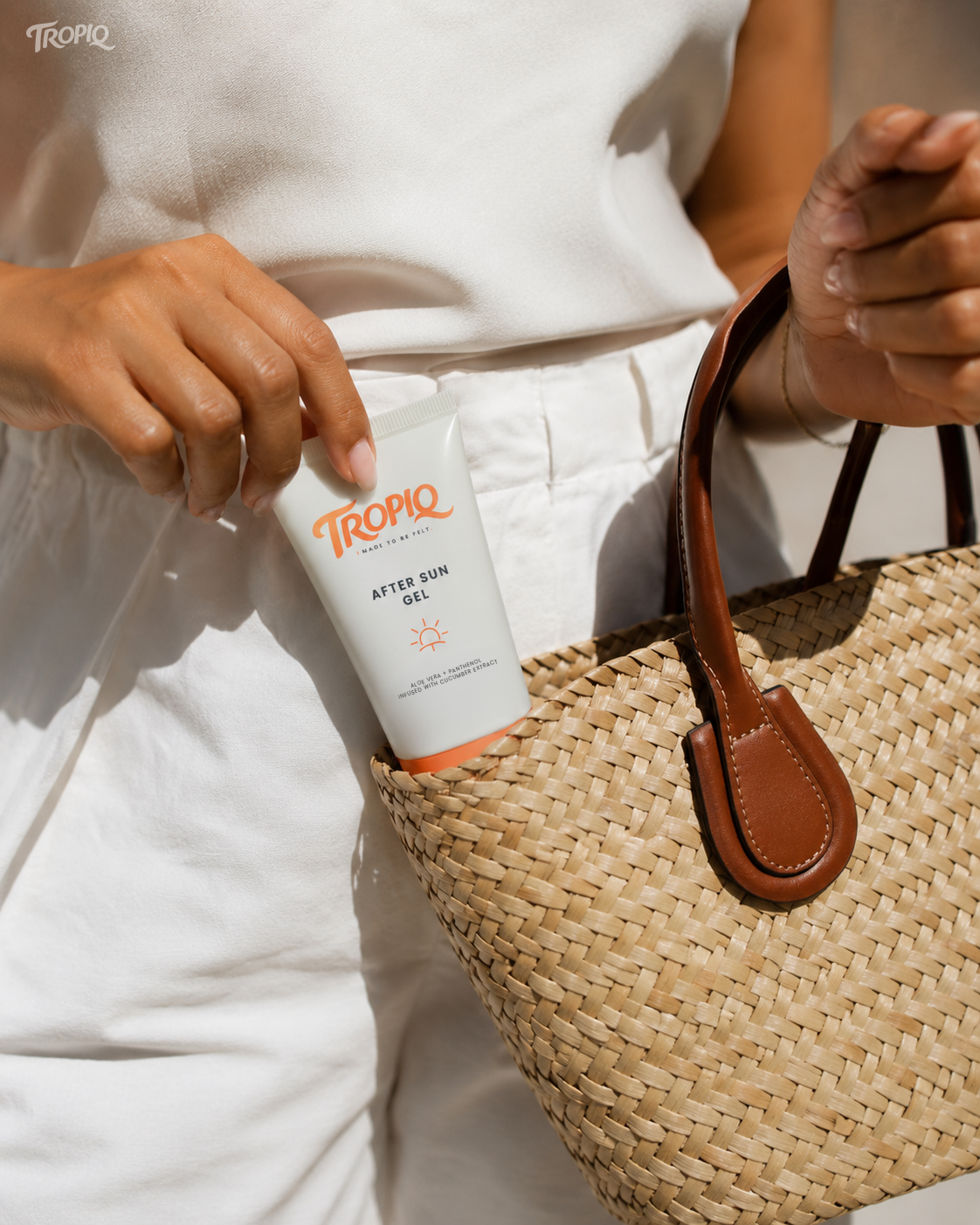
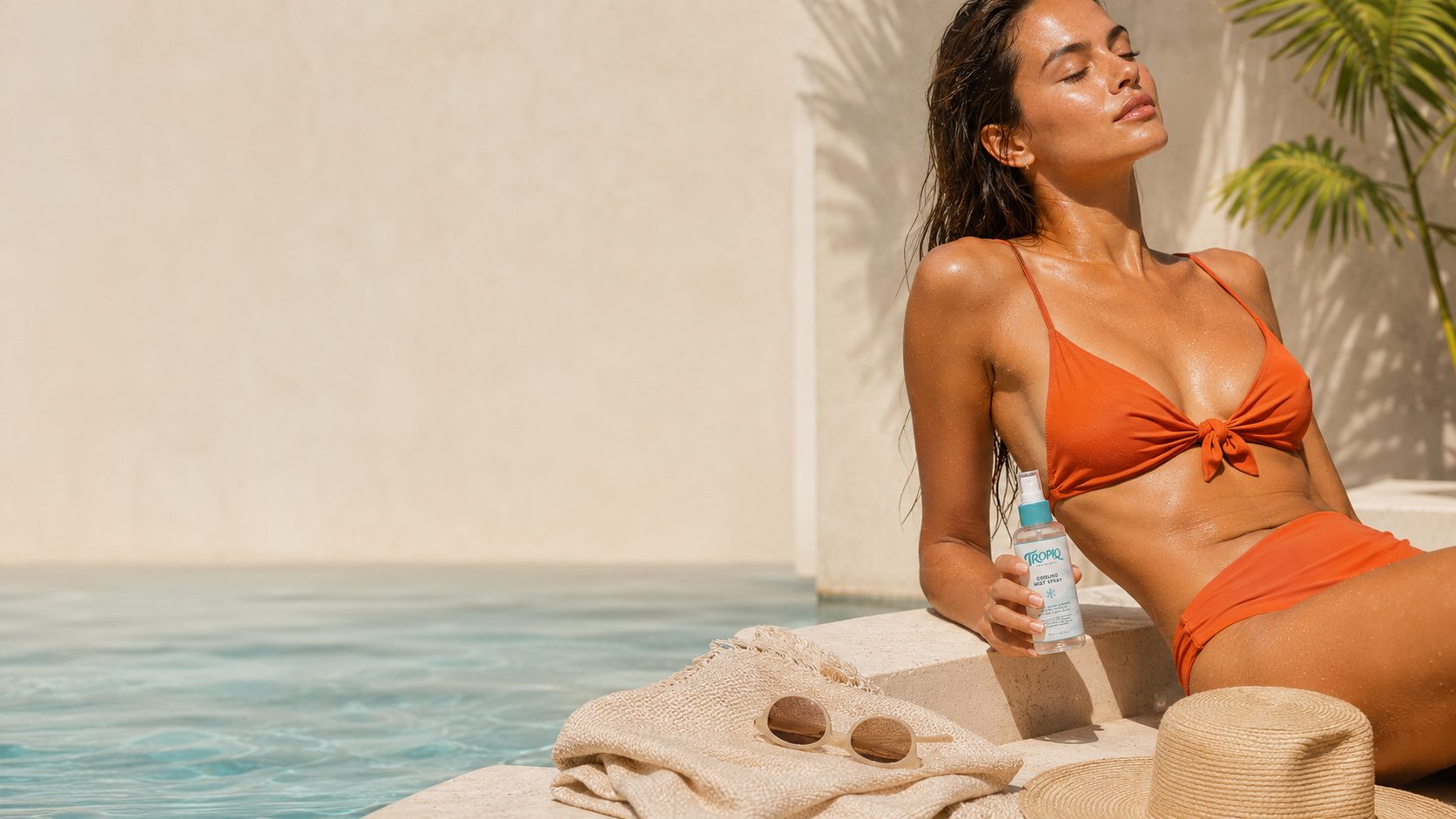
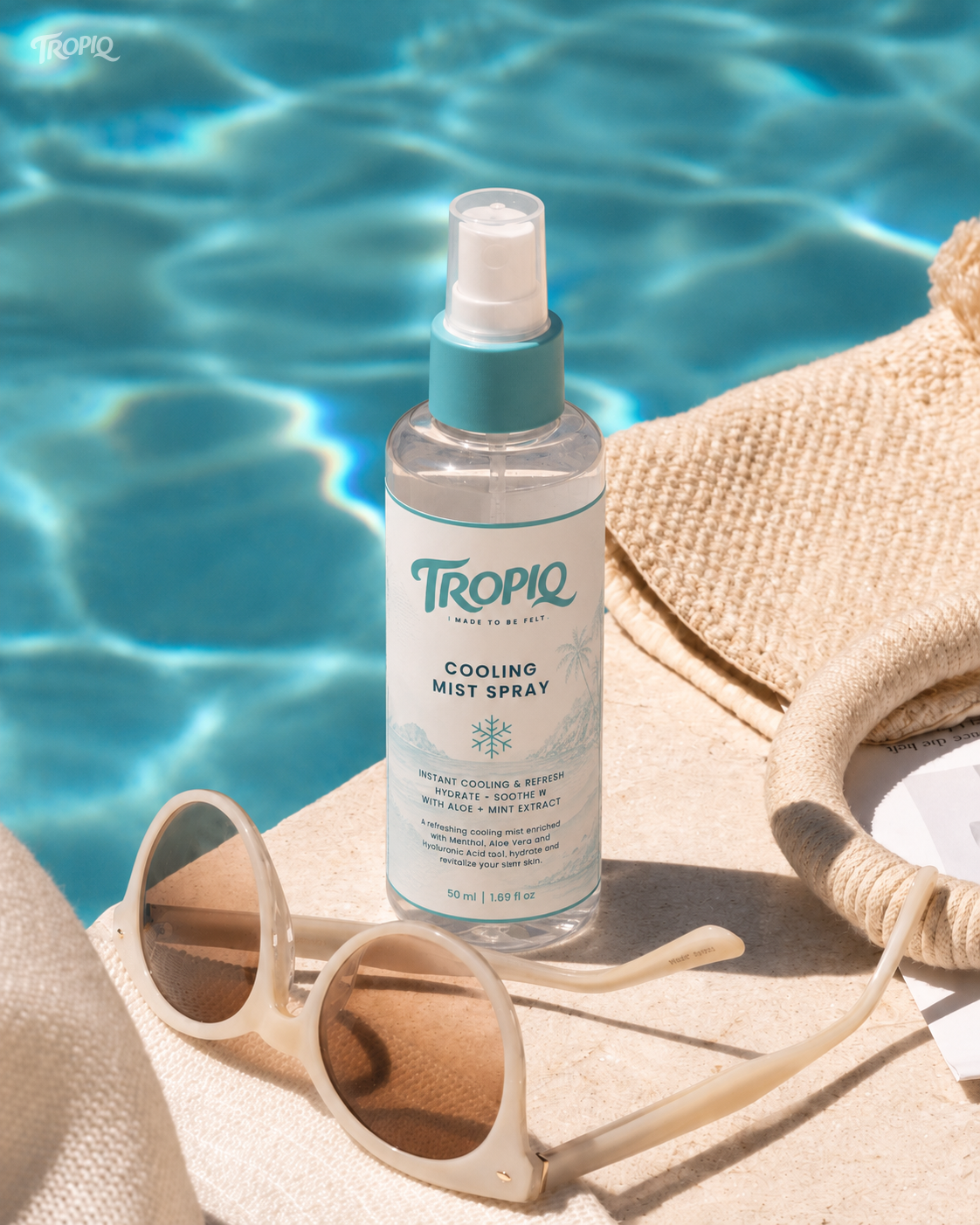
For tropical resorts specifically, this means that the product placed at the pool deck, the cooling spray offered by a beach attendant, and the after-sun gel in the room all have a direct role in the wellness experience. They're not peripheral details. They're part of the mechanism by which a property delivers on its promise.
What Guests Are Now Expecting
Based on emerging patterns in guest feedback and industry research, several specific expectations are rising rapidly among wellness-oriented tropical resort guests in 2026:
- Natural and botanical care products. Guests want to use products that feel aligned with the natural environment. Chemical-heavy formulations feel increasingly at odds with a wellness context.
- Sun care as a complete programme. Not just sunscreen — but a full arc of care including protection, mid-day refreshment, and after-sun recovery. Guests who have experienced a complete sun care programme at a property remember it.
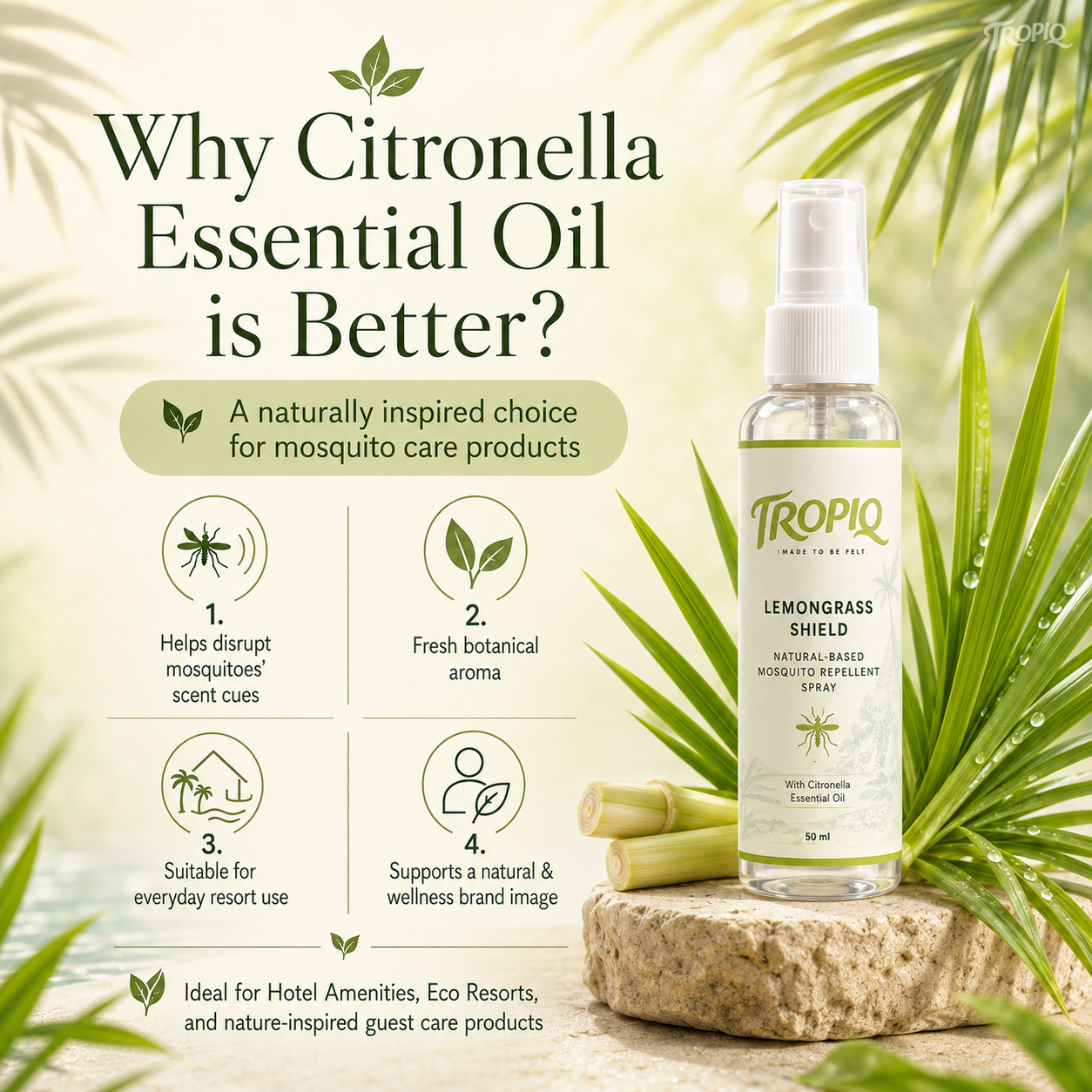
- Outdoor comfort solutions. Mosquito protection that doesn't compromise the experience — lightweight, botanical, pleasant-scented. The ability to sit at an outdoor dinner without discomfort or chemical smell is a genuine wellness enabler.
- Transparency about ingredients. Guests want to know what's in what they use. Properties that can speak to their amenity formulations — and choose products with ingredient stories worth telling — have a meaningful advantage.
- Products that support recovery, not just prevention. After-sun care, hydration, gentle skin repair — the recovery dimension of wellness is growing as a hospitality priority.
Implications for Resort Operators
The practical response to the tropical wellness trend doesn't require a complete redesign of the guest experience. It requires attention to the quality and coherence of what's already there. A few specific places to look:
Start with the beach and pool experience. This is where the most direct connection between product and wellbeing exists. A cooling mist, a quality after-sun, a botanical repellent for the evening hours — these three products, well-chosen and thoughtfully placed, can meaningfully elevate the wellness experience at a tropical resort without major operational complexity.
Then extend the story into the room. The same products that are available at the pool deck gain meaning and narrative coherence when they also appear in the in-room amenity kit — particularly if they carry the property's branding and are accompanied by a simple card explaining what they are and why they were chosen.
Finally, train the team. Staff who can speak genuinely to the products they offer — who can say "this is our own formula, made with lemongrass and citronella, it works beautifully for an evening walk" — amplify the impact of every good product choice the property has made. Authenticity matters. A genuine recommendation from a person who uses the product is worth far more than a label claim.
TROPIQ and the Tropical Wellness Opportunity
TROPIQ was built for exactly this context. Our collection addresses the three most common skin and comfort challenges of tropical resort stays — mosquito protection, heat and sun refreshment, and after-sun recovery — in botanical formulations that are made to feel as good as the environments they're used in.
For resort operators looking to align their guest care with the direction wellness travel is taking in 2026, we'd be glad to talk about how our products can support that positioning — in wholesale supply, private label, or both.
The guests are ready. The expectation is there. The properties that meet it are the ones that will own this segment for the decade ahead.