The conversation around sustainability in hospitality is no longer about whether to act — it's about how fast, how deep, and how genuinely. For beach and tropical resorts in particular, the pressure is acute: the ecosystems that define the guest experience — coral reefs, mangroves, pristine coastlines — are directly affected by the choices properties make every day.
Guest amenity programmes are one of the most visible and most actionable places for resorts to demonstrate genuine environmental commitment. Here are five shifts that forward-thinking properties are making right now.
1. Moving from Synthetic to Botanical Formulations
The era of synthetic, heavily chemical amenity formulations is winding down. Not because regulations have forced the change — though that's coming in some markets — but because guests increasingly don't want them. Botanical and plant-derived formulations are gaining ground across every amenity category, from body care to sun care to insect protection.
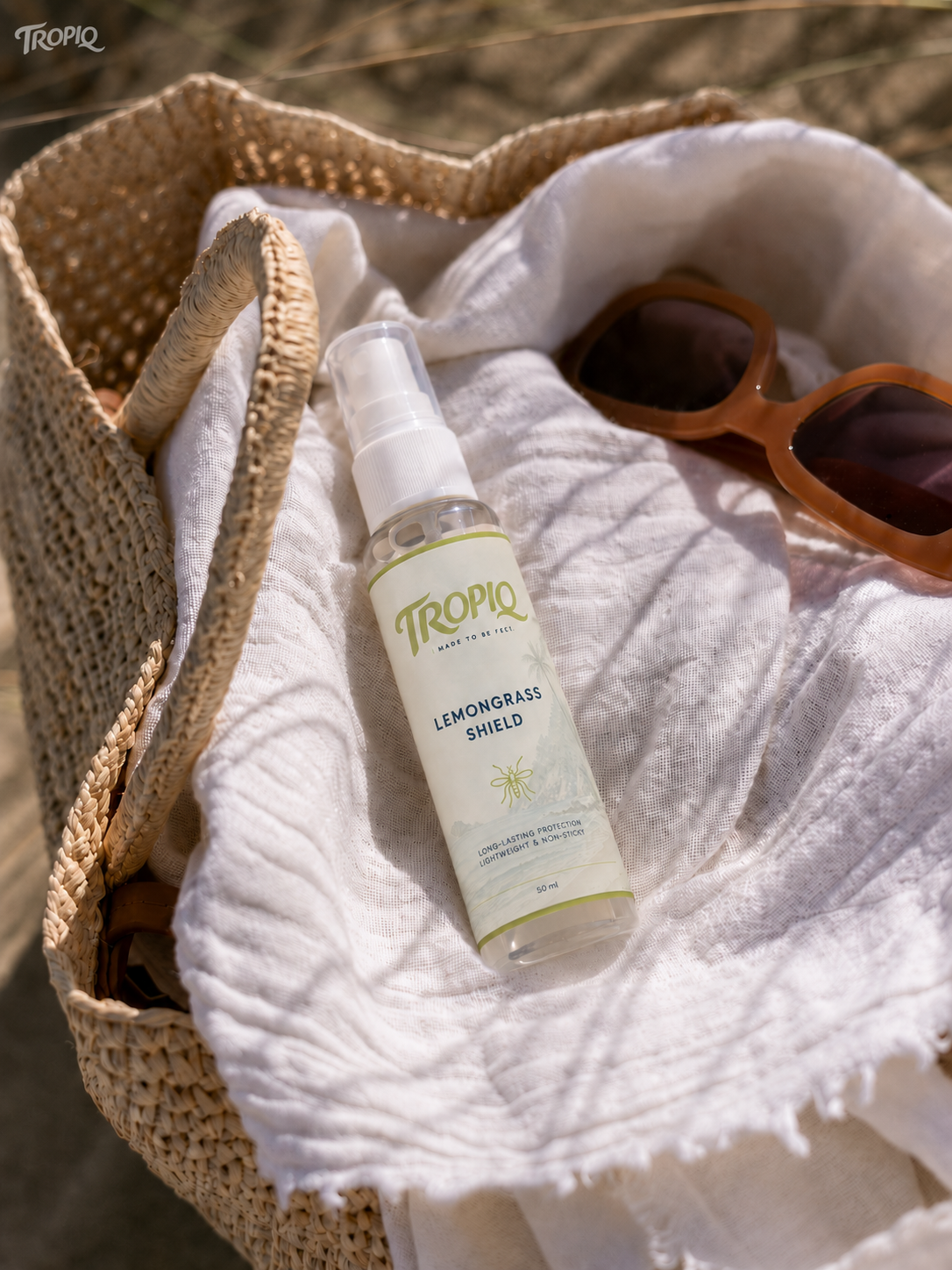
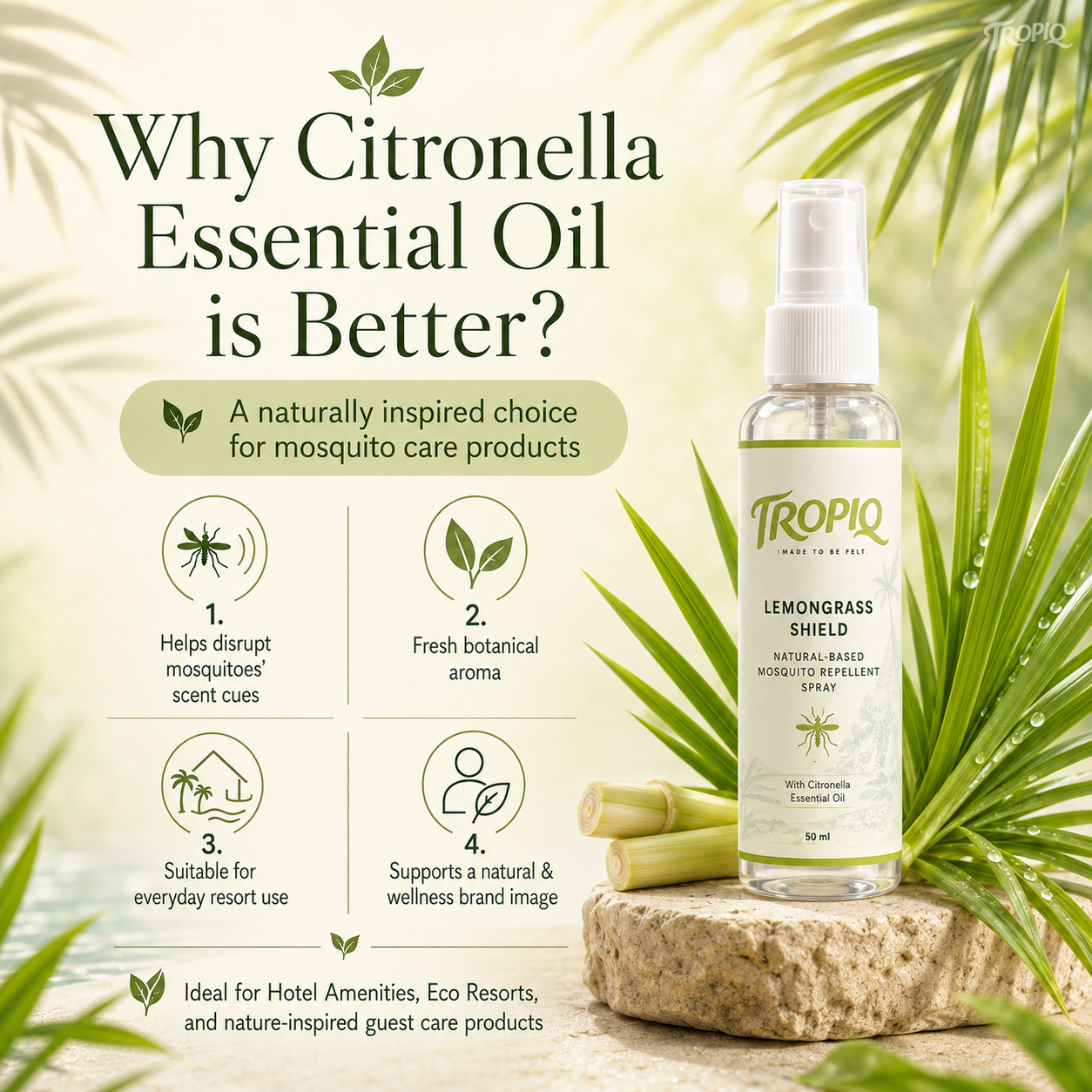
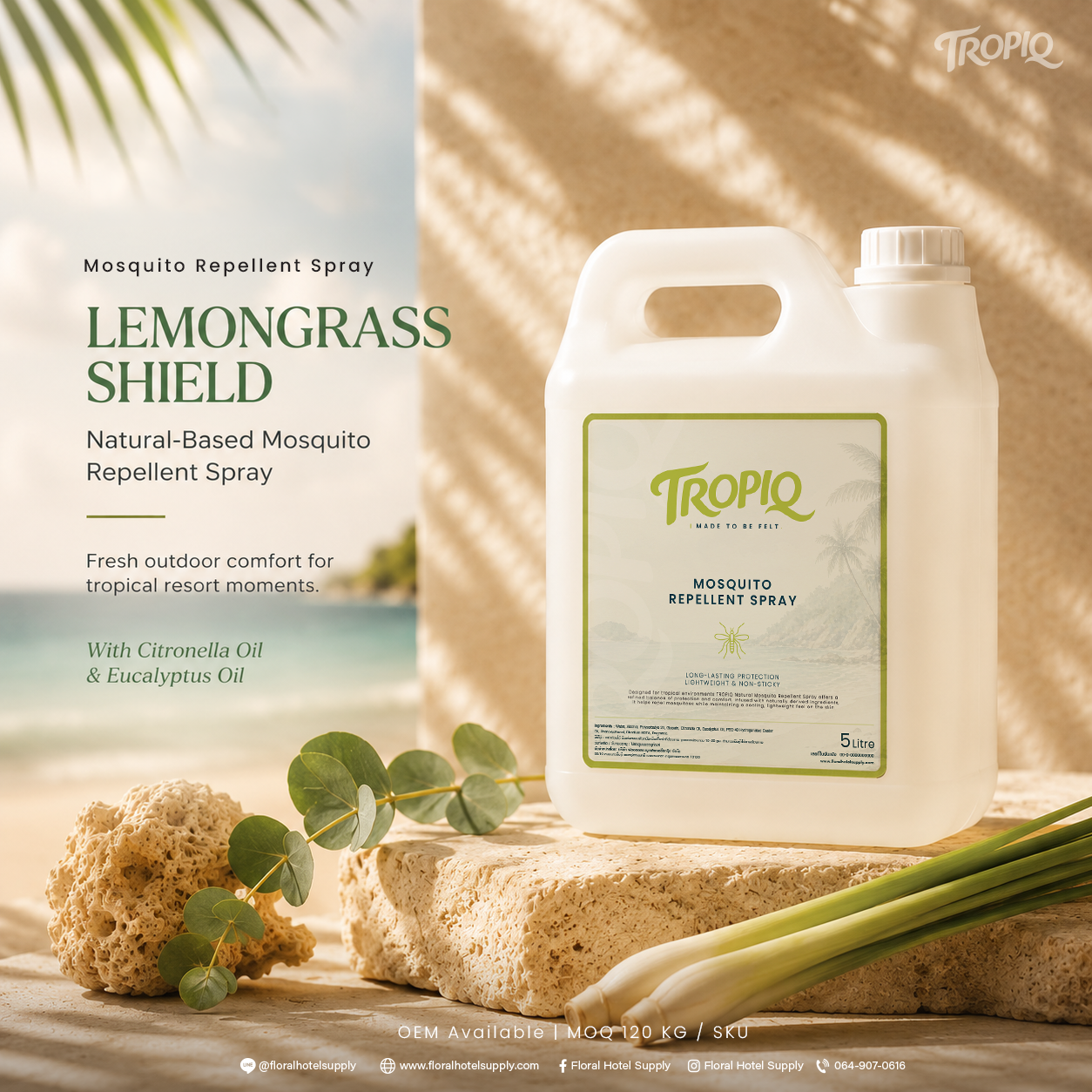
The practical implication is that properties evaluating their amenity supply need to look at ingredient lists more carefully. A mosquito repellent that relies on high concentrations of DEET or synthetic pyrethroids sits awkwardly alongside a resort that claims to care about the natural world it occupies. Natural-based alternatives, formulated well, can deliver genuine efficacy with a significantly smaller ecological footprint — and a much better sensory experience for guests.
2. Reef-Conscious Product Selection
For beach and marine resorts specifically, the reef-conscious conversation has moved from background concern to front-of-house commitment. Several island destinations across Southeast Asia have implemented restrictions on specific sunscreen chemicals (notably oxybenzone and octinoxate) linked to coral bleaching. Forward-looking resorts are getting ahead of this curve — not waiting for regulation but proactively selecting amenity products that they're confident won't harm the ecosystems their guests come to experience.
This applies beyond sunscreen. Any product that's likely to enter the water — body washes, hair products, skin care — is worth evaluating through the lens of its marine impact. Properties that can speak to their reef-conscious amenity choices have a genuine conversation to have with environmentally minded guests.
3. Reducing Single-Use Plastic in Amenity Packaging
The miniature plastic bottle is under pressure from all sides — regulatory, guest expectation, and operational. In-room dispenser systems are now standard at a growing number of properties, and the conversation has moved from whether to install dispensers to which products work best in dispenser format.
For amenities that can't easily go into fixed dispensers — take-home amenity kits, excursion packs, beach kit items — the conversation shifts to packaging material choices. Recycled plastic, bioplastics, and ocean-plastic packaging are all entering the supply chain, and properties that specify these materials at the sourcing stage are increasingly able to access them.
4. Reducing Overuse Through Right-Sizing and Thoughtful Placement
A sustainability shift that gets less attention than it deserves: the simple decision to offer guests what they'll actually use rather than what fills a kit. Properties that have audited their amenity programmes honestly often find significant waste — products supplied as standard that go unused by the majority of guests.
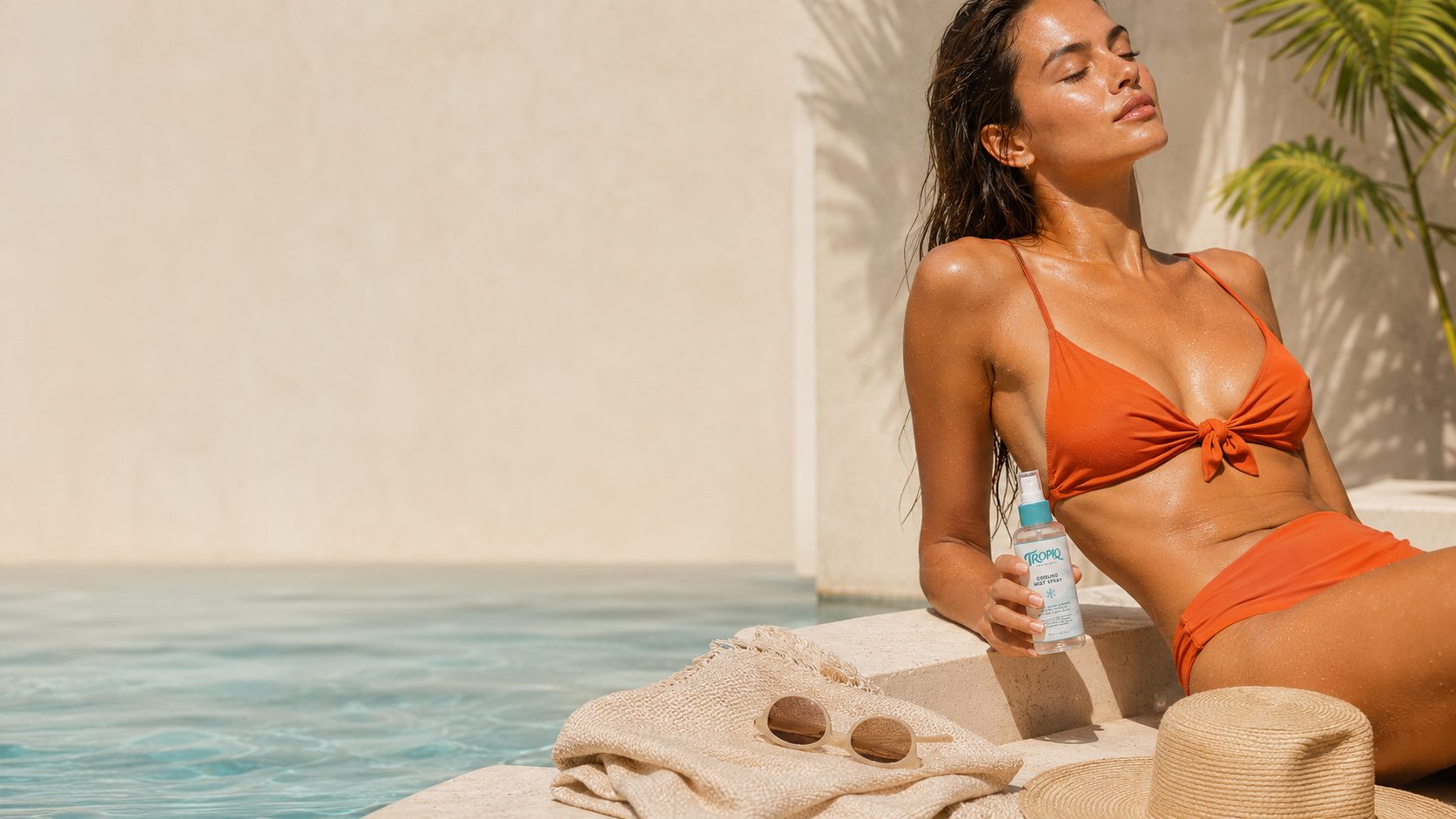
The solution isn't to reduce quality — it's to reduce volume and increase relevance. Offering a smaller selection of genuinely excellent products, available where guests need them, results in less waste and a better guest experience. A cooling mist spray at the pool deck that guests reach for repeatedly throughout the afternoon is environmentally far more efficient than three amenity items in a kit bag that never get opened.
5. Communicating Values Through Product Choice
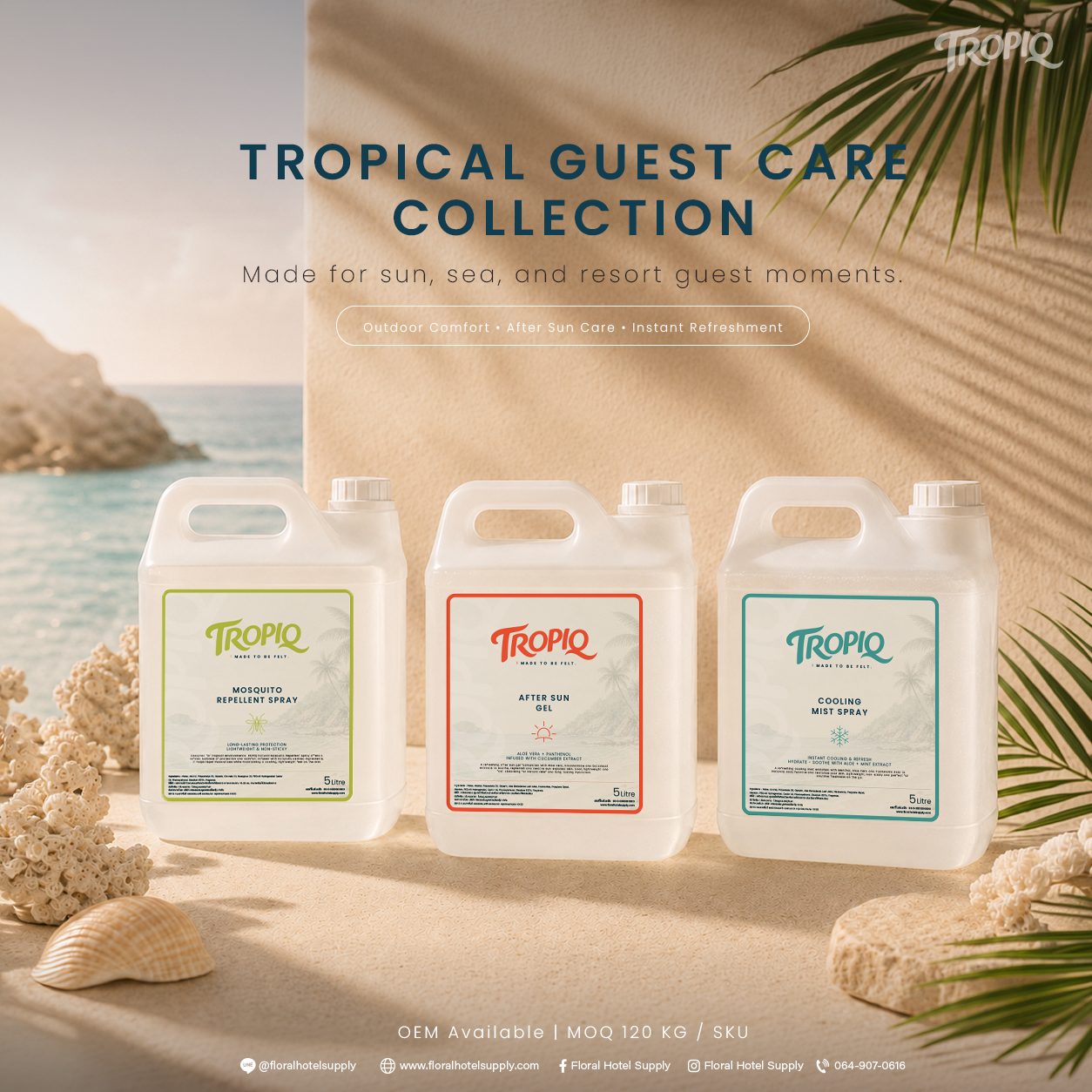
Finally — and perhaps most importantly — the sustainable amenity shift is also a communication opportunity. Guests who care about sustainability are increasingly sophisticated readers of the choices a property makes. The decision to use a botanical mosquito repellent rather than a DEET spray, or an Aloe Vera after-sun gel over a petrochemical formulation, communicates values before a single word has been said about your sustainability commitment.
Properties that approach their amenity programme as part of their sustainability narrative — and train their teams to speak to those choices — have a genuine story to tell. Not as greenwashing, but as evidence.
TROPIQ was formulated with this in mind. Botanical-first, reef-conscious in ingredient selection, and built for the tropical environments where both our guests and the products themselves belong. For resorts looking to bring their amenity programme into alignment with their environmental commitments, we'd love to talk.